


Lipase Enzyme – Powerful Fat Degradation for Detergents & Industrial Applications
Product Description
Lipase is produced via fermentation, extraction and refinement of high-quality strains of Aspergillus niger. It can be widely used in leather processing, papermaking and washing and industries. Lipase is a type of serine hydrolase that can catalyze the hydrolysis of fatty acid glycerides to produce glycerol and fatty acids.
Working Principle
Lipase can decompose highly hydrophobic oils and fats into more hydrophilic monoglycerides, free fatty acids and glycerol. These products are highly soluble in water under alkaline washing conditions. Lipase can degrade butter and fat stains on fabrics, as well as sweat stains on clothes. When used in detergents, it can significantly improve detergency. The notable feature of lipase is that it enables detergents to achieve excellent fat removal performance even at low temperatures. It also exhibits a cumulative effect, with its cleaning efficiency becoming more obvious as washing cycles increase. Our lipase demonstrates good stability in most detergent formulations.
Product Specification
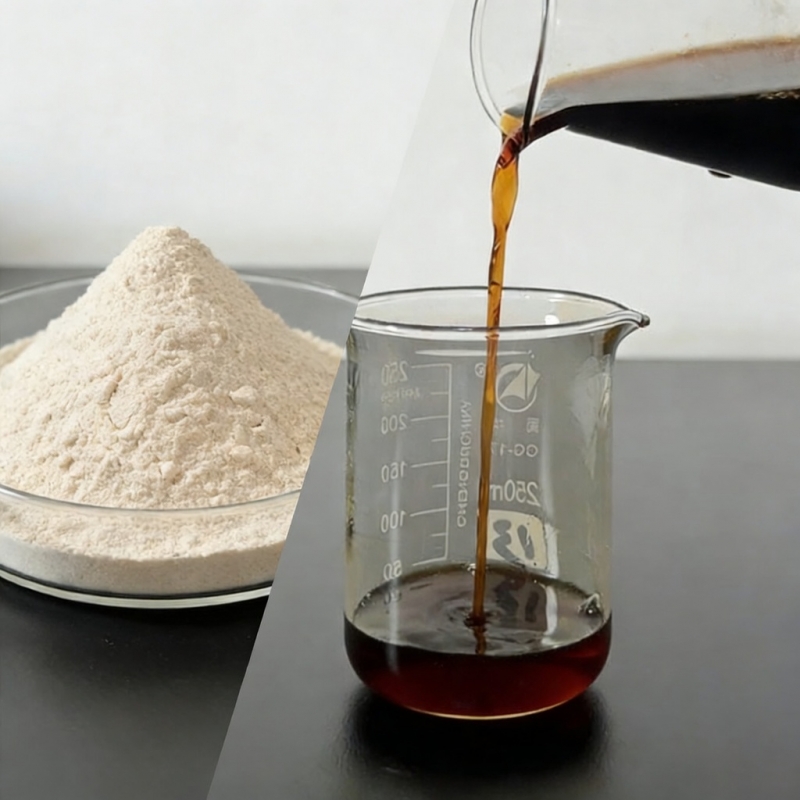
Lipase Granule: 25,000 U/g
Lipase Powder: 100,000 U/g
Lipase Liquid: 100,000 U/mL
Usage Instructions
Lipase maintains high enzymatic activity at typical washing temperatures (20–60°C) and PH levels (7-11) The recommended dosage of lipase in detergent formulations is 0.2~0.5%.
Package and Storage
Package Options:
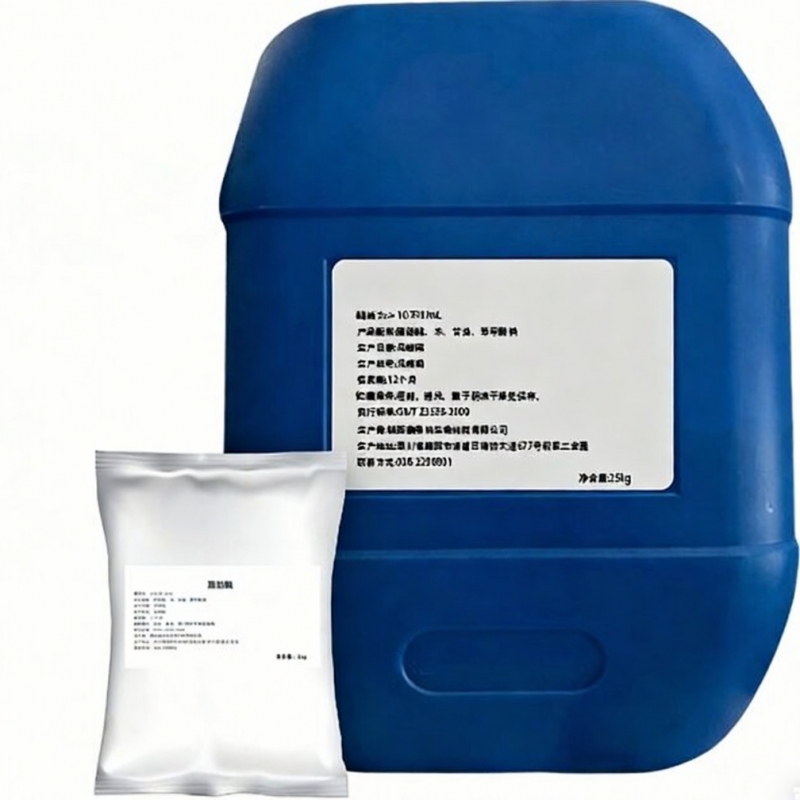
Solid form: 20kg/bag or customized.
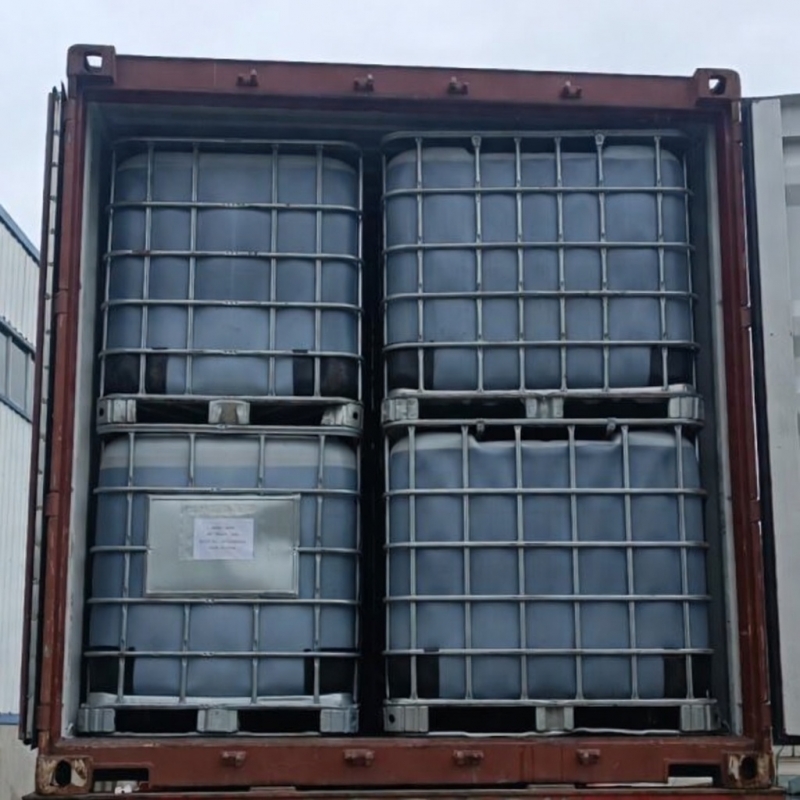
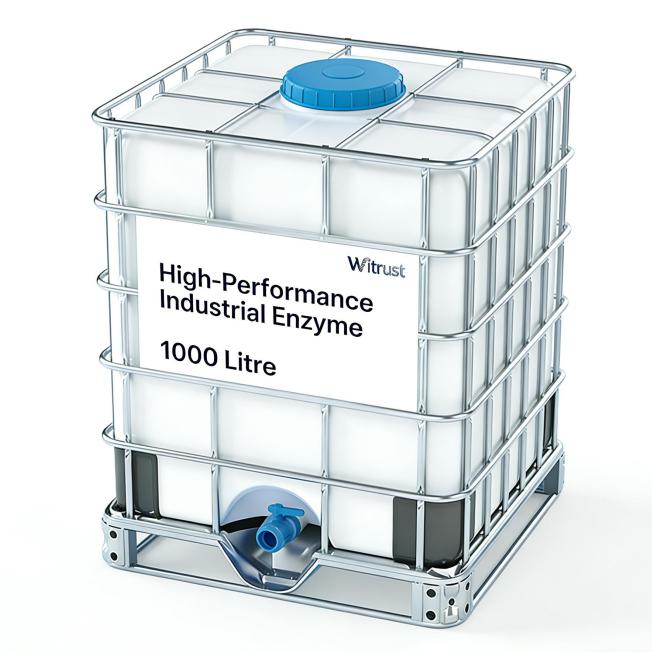
Liquid form: 25kg plastic drum, IBC tank or customized.
Store in a cool, dry and well-ventilated place, protected from direct sunlight. The product has a shelf life of 12 months when stored at temperatures below 25°C. Partial enzymatic activity may still be retained beyond this period if stored in a contamination-free environment. If the product is used past its expiration date, the dosage should be adjusted as appropriate.
Precautions
Enzymes are protein-based substances. For sensitive individuals, inhalation of enzyme powder or droplets may case allergic reactions. Prolonged exposure may irritate the skin, eyes and mucous membranes. It is recommended to wear a face mask during operation. If the product accidentally splashes onto the skin or eyes, rinse immediately with clean water.

© Copyright - | All Right Reserved. Designed By witrustbio.com

 Send Email
 Philip Wu
 Frank68001