
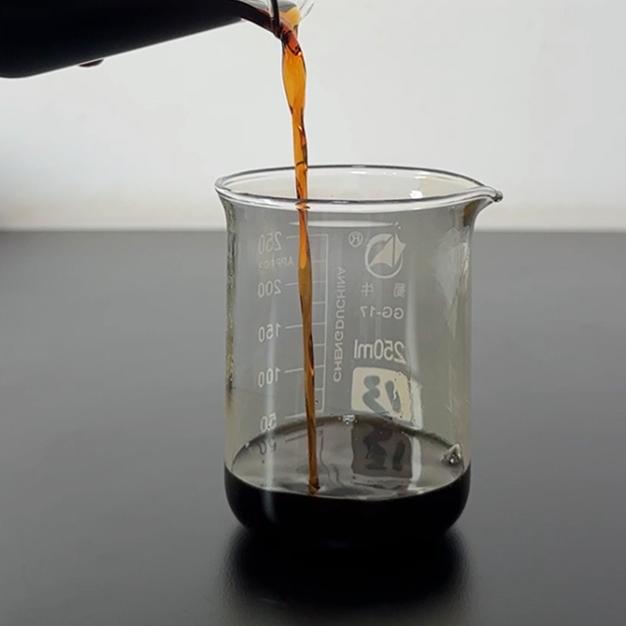


Formulation:thermostable α-amylase
Dosage:0.15–0.25kg per ton of dry starch
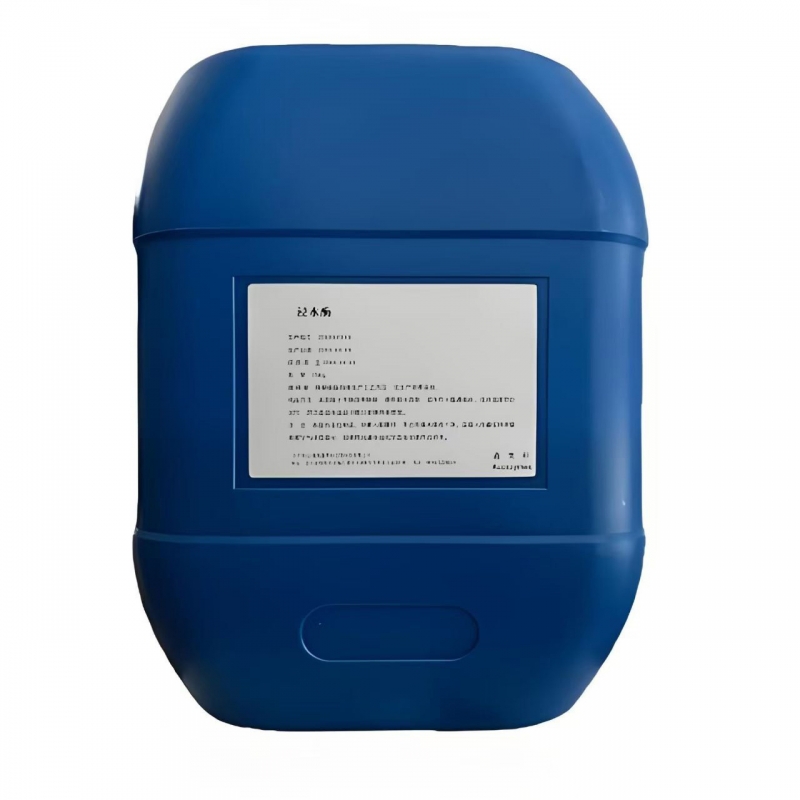
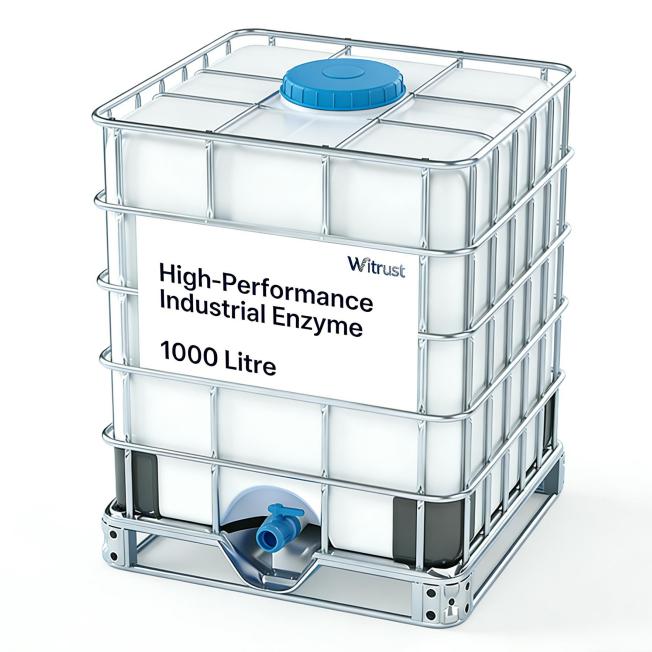
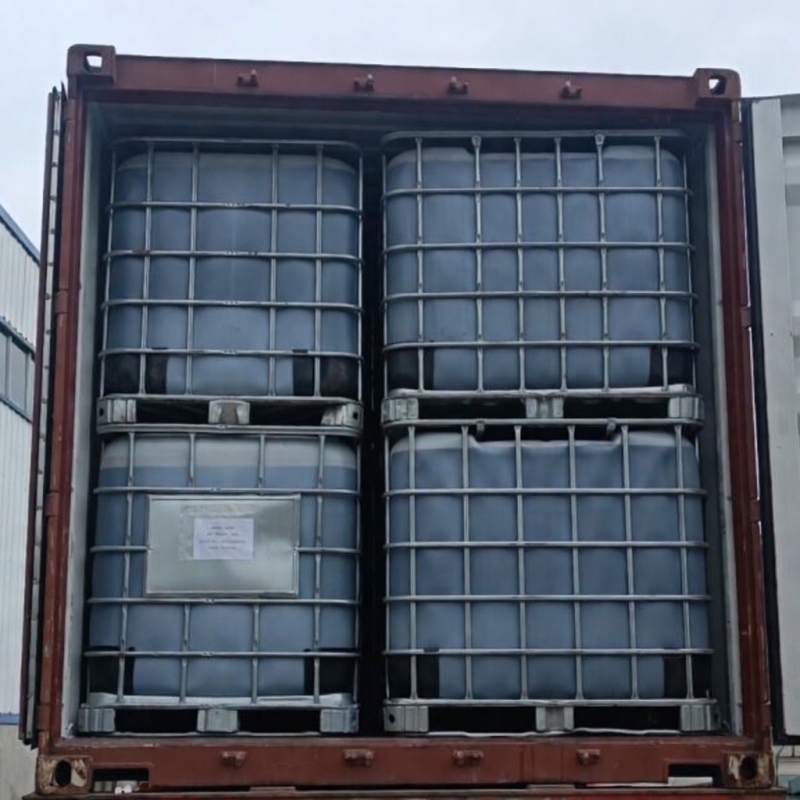
Package:25kg plastic drums or 1000kg IBC tanks or customized
Optimal temperature:90–95℃
Effective temperature:90-110℃
Optimal PH:5.6-5.8
Effective PH range:5.0-6.5
Shelf life:12 months
Thermostable α‑Amylase for Starch Jet Liquefaction
Product Description
This thermostable α-amylase is refined from Bacillus licheniformis through submerged liquid fermentation and ultrafiltration. It doesn’t require the addition of calcium ion and maintains stable performance even at a PH as low as 5.0. Boasting excellent thermostability, it is applicable to 110℃ jet liquefaction systems.
Working Principle
Thermostable α-amylase can rapidly hydrolyze the α-1,4 glycosidic linkages in starch molecules and randomly break down them into short-chain dextrins of varying lengths and a small amount of oligosaccharides, thereby rapidly reducing the viscosity of the starch slurry.
Product Characteristics
Temperature Range: Optimal temperature 90–95℃; and it still maintains considerable vitality at 105-110℃.
PH Range: Optimal PH 5.6–5.8; effective PH range 5.0–6.5
Usage Instructions
Recommended liquefaction process parameters:
Starch milk dry matter concentration: 25–35%
pH: 5.4–5.8
Jet temperature: 105–110℃
Holding time: 5–10 minutes
Enzyme dosage: 0.15–0.25kg per ton of dry starch
Laminar flow liquefaction time: 1.5–3 hours
Precautions
Enzymes are protein-based substances. For sensitive individuals, inhalation of enzyme powder or droplets may case allergic reactions. Prolonged exposure may irritate the skin, eyes and mucous membranes. It is recommended to wear a face mask during operation. If the product accidentally splashes onto the skin or eyes, rinse immediately with clean water.
Package and Storage
The liquid is packaged in 25kg plastic drums or 1000kg IBC tanks or customized.
As a bioactive substance, the enzyme may deactivate under high temperature, strong acids, or strong alkalis. Therefore, avoid direct sunlight during transportation and storage. And After opening, reseal tightly to prevent enzyme deactivation. Keep in a clean, cool, and dry warehouse.

© Copyright - | All Right Reserved. Designed By witrustbio.com

 Send Email
 Philip Wu
 Frank68001