


Industrial Stickies Control Enzyme for Waste Paper Pulping
Product Description
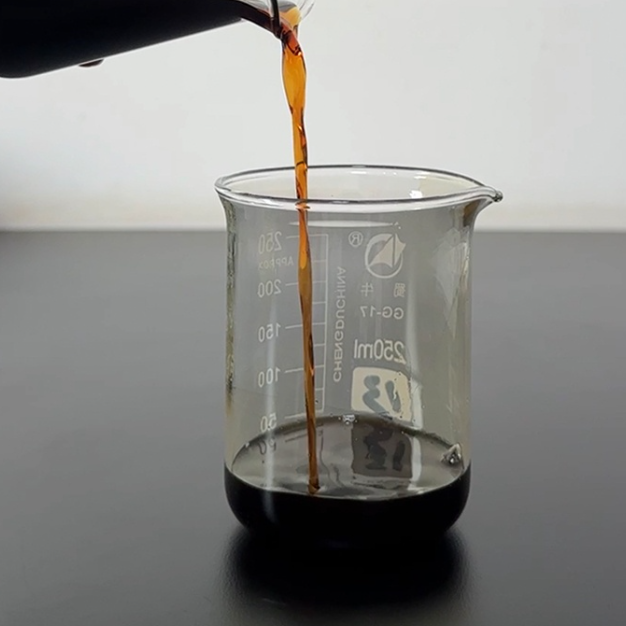
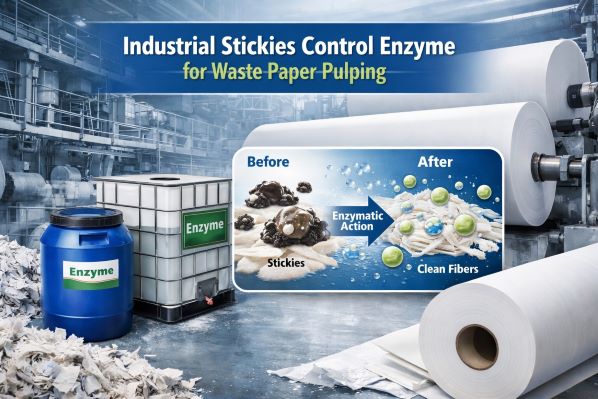
The stickies control enzyme is a composite formulation of xylanase, lipase, pectinase and other enzyme preparations, which can significantly reduce the deposition of stickies during the waste paper pulping process, thereby improving paper machine runnability and product quality.
Working Principle
The stickies control enzyme can effectively hydrolyze acrylate acetate, synthetic rubber and other adhesives, converting them into water-soluble low-molecular substances, and can also encapsulate and emulsify fine particle stickies and the hydrolyzed substances, making the fine particle adhesive stable in the system without aggregating into large particles, and then adsorbing on the fibers and being removed from the system.
Features and Benefits
1. The stickies control enzyme can reduce the stickies obstacles in the paper machines, and decrease paper breakage in paper machines and rewinders caused by adhesives;
2. Minimizes paper defects such as stains and holes caused by adhesives;
3. Reduces cleaning intensity of the screen blanket and dry screen, and extend their service life;
4. Enhances paper machine efficiency and lowers overall production costs.
Usage Instructions
1. It can be added to the pulp tower after crushing or the pulp storage tower before pulp feeding on the paper machine.
2. Apply in batch or continuous mode according to the pulping process. Dosage: 100–200 g/ton (based on dry pulp).
3. Operating temperature: 35-65℃, operating PH: 6.0-10.0.
4. Reaction time: 45-90 minutes.
Precautions
Enzymes are protein-based substances. Prolonged exposure may irritate the skin, eyes and mucous membranes. It is recommended to wear a face shield for protection during operation. If the product accidentally splashes onto the skin or eyes, please immediately rinse with clean water.
Package and Storage
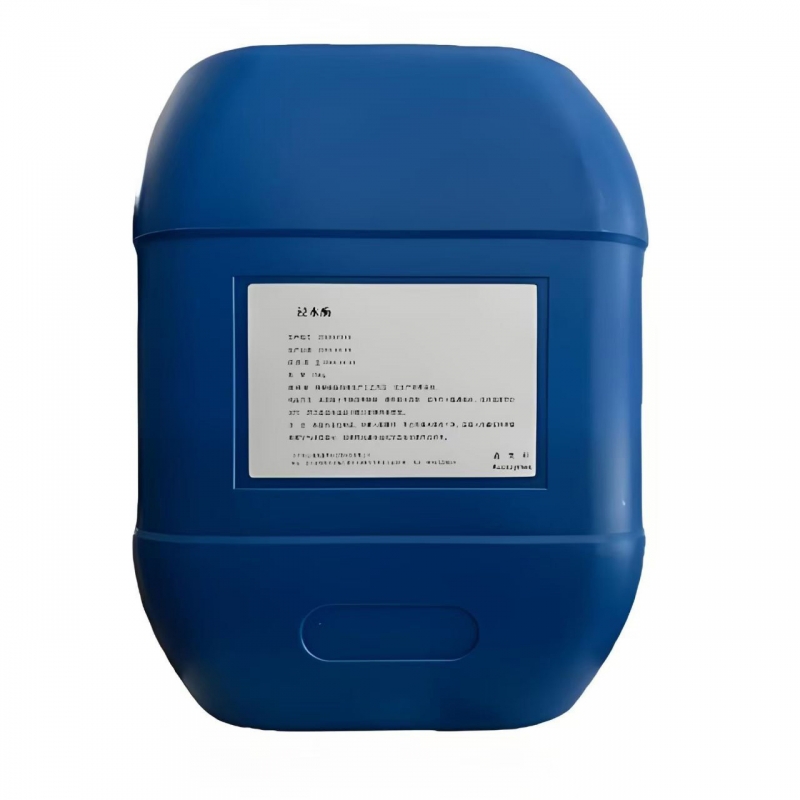
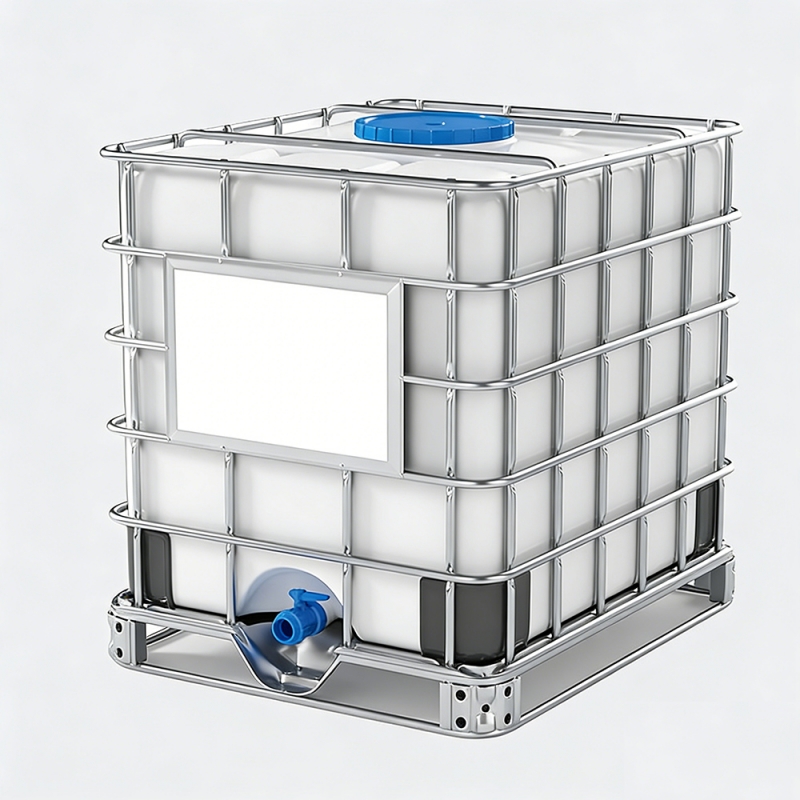
The liquid is packaged in 25kg plastic drums or 1000kg IBC tanks or customized.
As a bioactive substance, the enzyme may deactivate under high temperature, strong acids, or strong alkalis. Therefore, avoid direct sunlight during transportation and storage. And After opening, reseal tightly to prevent enzyme deactivation. Keep in a clean, cool, and dry warehouse.
© Copyright - | All Right Reserved. Designed By witrustbio.com

 Send Email
 Philip Wu
 Frank68001