


Plant Protein Hydrolase: Premium Enzyme Blend for Protein Extraction & Modification
Product Description
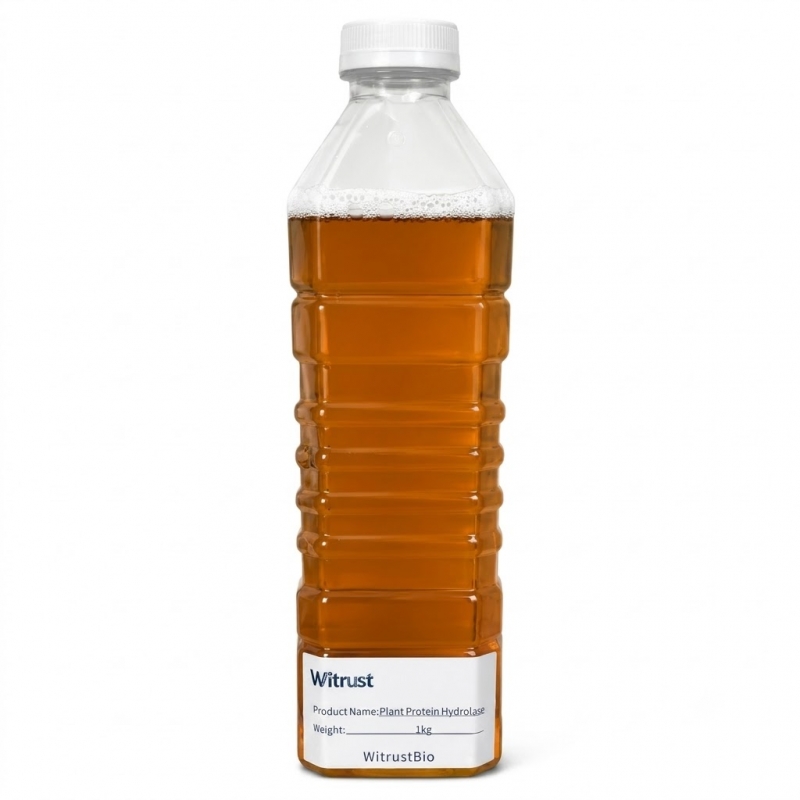
Plant Protein Hydrolase is a premium biological enzyme preparation specifically developed for the modern deep-processing industry of plant protein. Amid the surging global demand for plant-based foods, efficient and mild extraction and modification of plant proteins has become the core of industrial technological upgrading. This enzyme, through scientifically formulated co-blending of alkaline protease with multiple specific auxiliary enzymes, breaks through the limitations of traditional processes and effectively solves pain points such as low extraction yield and residual bitterness. It is widely applicable to the extraction and modification of proteins from cottonseed, corn, soybean, and other plant sources.
Working Principle
1. Alkaline Protease: Mainly acts on the peptide bonds of hydrophobic amino acid residues within protein molecules, possessing strong endopeptidase activity. It rapidly cleaves large-molecule plant globulins into medium-molecular-weight polypeptides, significantly reducing system viscosity, exposing more cleavage sites, and laying the foundation for deep hydrolysis.
2. Other Proteases: Based on the structural characteristics of plant proteins, the formulation is supplemented with flavour protease, neutral protease, and other proteases. These primarily perform exopeptidase actions, sequentially cleaving amino acids from the ends of polypeptide chains to further reduce molecular weight. They effectively remove bitterness caused by hydrophobic amino acids and synergistically work with alkaline protease to increase the degree of hydrolysis, ensuring optimal solubility and emulsifying properties of the final product.
Application Benefits
1. In cottonseed protein extraction: When used in combination with plant polysaccharide hydrolases, cell walls are thoroughly disrupted, increasing the cottonseed protein extraction rate from the traditional aqueous extraction level of 30%–40% to 65% or even over 80%.
2. In corn protein extraction: Enzymolysis unfolds the tightly folded structure of corn protein, converting precipitated protein fractions into soluble peptides, increasing total protein yield by approximately 20%–30%. After enzymolysis, corn protein solubility surges from less than 10% to over 80%, while foaming capacity, emulsion stability, and antioxidant activity are significantly enhanced. It is widely used in functional beverages, bakery products, and sports nutrition.
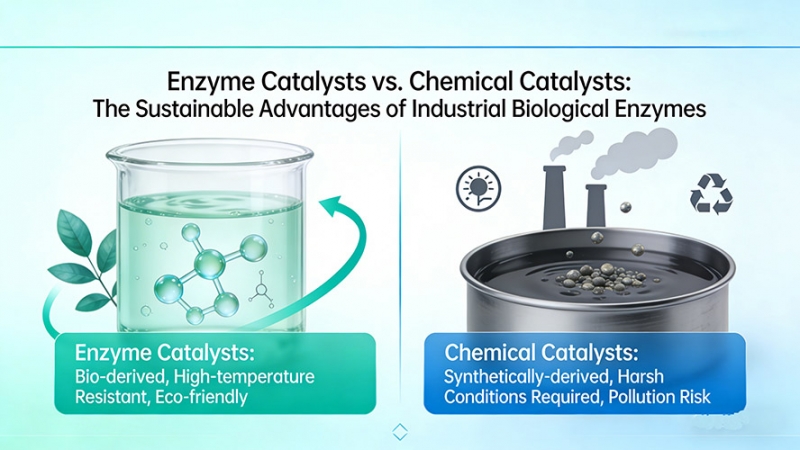
3. Significant environmental friendliness: The enzymatic process proceeds under mild temperatures (40°C–60°C) and weakly alkaline conditions, eliminating reliance on strong acids, strong alkalis, and organic solvents. This not only reduces energy consumption but also drastically decreases high-salinity wastewater discharge, aligning with green manufacturing and carbon neutrality trends.
Application Methods
1. Grinding and sieving: Grind the plant raw material (e.g., soybean meal, cottonseed meal, corn protein powder, etc.) to an appropriate particle size to increase the contact area between enzyme and substrate.
2. Material Mixing and pH adjustment: Add water to raw materials at a solid-liquid ratio (e.g., 1:8–1:15) as required by the process and start stirring. Before adding the enzyme, use food-grade alkali (e.g., NaOH) or acid solution to adjust the slurry pH to 8.5–9.5.
3. Heating and enzymatic hydrolysis: Heat the slurry to the target enzymolysis temperature (typically 50±2°C). Add the plant protein hydrolase at 0.5%–4.0% of the raw material weight. Depending on the density of the raw material, maintain the enzymatic reaction for 2–6 hours. During enzymolysis, keep low-speed stirring to prevent material sedimentation and promote full contact between enzyme and substrate.
4. Enzyme inactivation and post-treatment: After the reaction, rapidly raise the temperature to 85°C–90°C and hold for 10–15 minutes to completely inactivate the enzyme proteins. Conduct centrifugal separation, filtration or spray drying as required by the process to obtain final products (protein powder, polysaccharide liquid, etc.).
Precautions
Enzymes are protein-based substances. For sensitive individuals, inhalation of enzyme powder or droplets may case allergic reactions. Prolonged exposure may irritate the skin, eyes and mucous membranes. It is recommended to wear a face mask during operation. If the product accidentally splashes onto the skin or eyes, rinse immediately with clean water.
Package and Storage
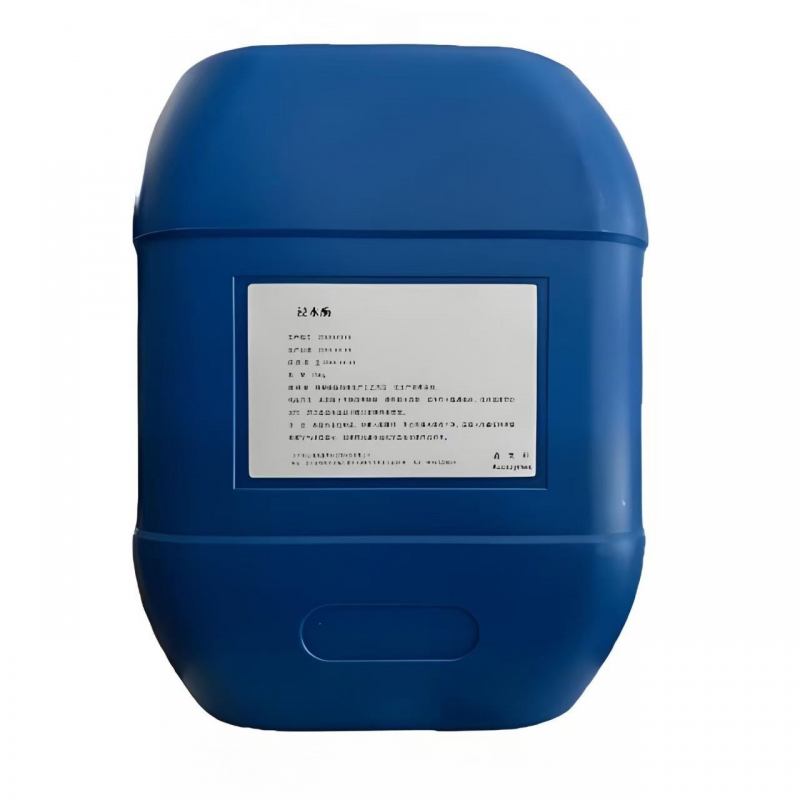
The liquid is packaged in 25kg plastic drums or 1000kg IBC tanks or customized.
As a bioactive substance, the enzyme may deactivate under high temperature, strong acids, or strong alkalis. Therefore, avoid direct sunlight during transportation and storage. And After opening, reseal tightly to prevent enzyme deactivation. Keep in a clean, cool, and dry warehouse.
Shelf Life
The standard shelf life is 12 months. The enzyme remains usable beyond this period, though an increased dosage is required.
© Copyright - | All Right Reserved. Designed By witrustbio.com

 Send Email
 Philip Wu
 Frank68001