


High-Efficiency Plant Polysaccharide Hydrolase for Bio-Extraction
Product Description
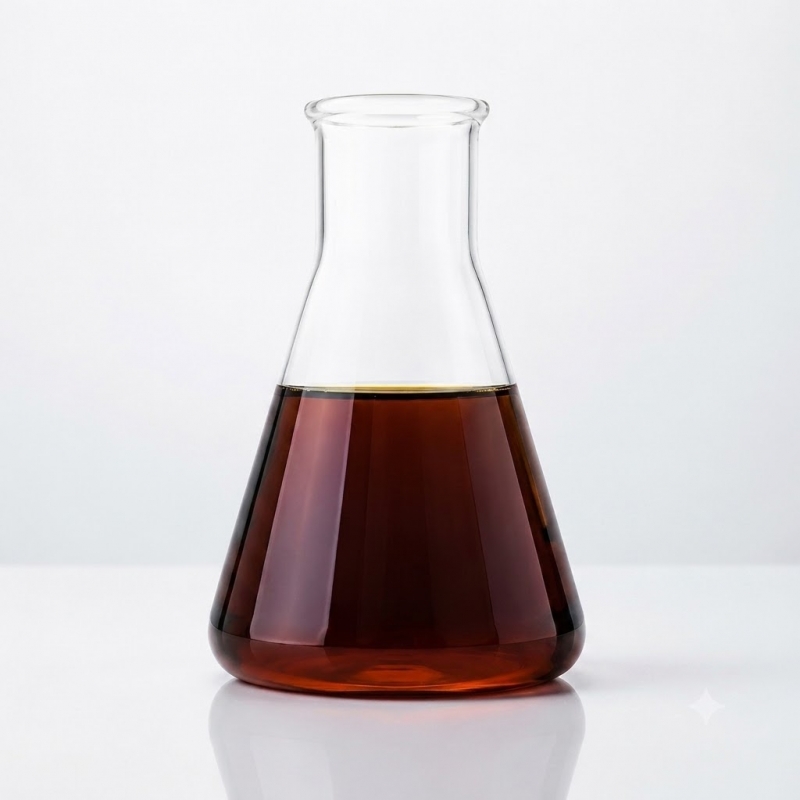
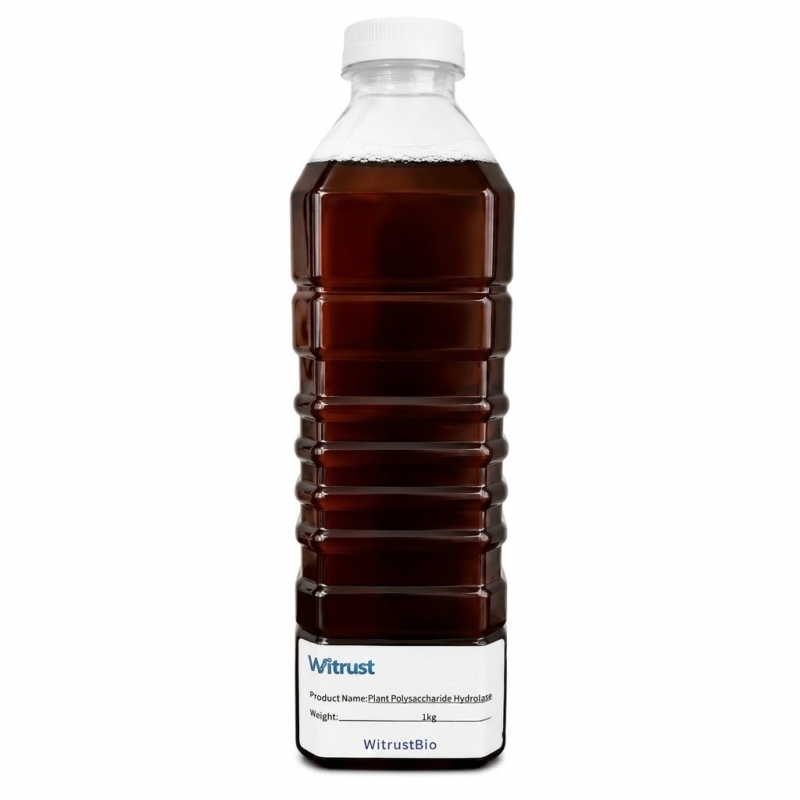
In the deep processing of plant resources, efficient and eco-friendly breakdown of the plant cell wall barrier to release high-value internal nutrients has long been a core technical challenge for the industry. Plant Polysaccharide Hydrolase is developed precisely to solve this problem. To address the issue that plant cell walls (cellulose, hemicellulose, pectin, etc.) hinder the release of nutrients, this product is formulated with a scientific combination of high activity enzyme preparations including cellulase, pectinase, and xylanase, which work synergistically to rapidly disintegrate cell walls. Compared with single enzyme preparations, it significantly improves the extraction efficiency of plant proteins and polysaccharides, making it an ideal choice for the bio extraction industry.
Working Principle
1. Cellulase: Targets the cell wall skeleton, cleaving β 1,4 glycosidic bonds to disrupt the dense fibrous structure, opening “channels” for other enzymes.
2. Pectinase: Acts on the intercellular “adhesive”, breaking down pectin molecules to disintegrate tissue structure, reduce system viscosity, and accelerate filtration.
3. Xylanase: Degrades xylan that fills the spaces between fibres, removing cell wall barriers and synergistically releasing encapsulated starch, proteins, and lipids.
Application Benefits
1. Cottonseed protein extraction: Breaks down the rigid cell walls of cottonseed meal, significantly improving protein extraction yield. The mild enzymolysis avoids damage to protein functionality caused by strong acids and alkalis, yielding finished products with good color and high solubility.
2. Functional polysaccharide extraction: Directionally degrades cell walls to release bound polysaccharides into the solution. It achieves thorough cell wall disruption and high yield while preserving the biological activity of polysaccharides, making it suitable for pharmaceuticals and health care products.
3. Corn deep processing: Degrades cellulose and hemicellulose in by products such as corn husks to release corn protein and corn starch, and converts fibre into fermentable sugars.
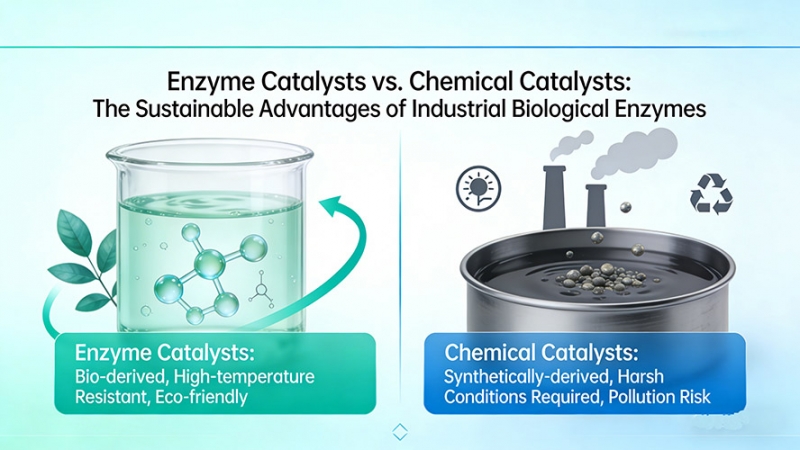
4. Product advantages: Multi-enzyme formulation ensures more complete cell wall disruption; green and energy saving, replacing acid/alkali processes with over 20% energy reduction; increases extraction yield by 10%–20%; applicable to a wide range of raw materials including cottonseed, corn, fruits, and vegetables.
Application Methods
1. Grinding and sieving: Grind the plant raw material (e.g., cottonseed meal, corn husks, etc.) to an appropriate particle size to increase the contact area between enzyme and substrate.
2. Slurry preparation and pH adjustment: Add water to raw materials at a solid-liquid ratio (e.g., 1:5–1:10) as required by the process and start stirring. Before adding the enzyme, use food-grade acid (e.g., citric acid or HCL) or alkali (NaOH) to adjust the slurry pH to 4.5-5.5.
3. Heating and enzymatic hydrolysis: Heat the slurry to the target enzymolysis temperature (typically 50±2°C). Add the plant polysaccharide hydrolase at 0.5%–4.0% of the raw material weight. Depending on the density of the raw material, maintain the enzymatic reaction for 2–4 hours. During enzymolysis, keep low-speed stirring to prevent material sedimentation and promote full contact between enzyme and substrate.
4. Enzyme inactivation and post-treatment: After the reaction, rapidly raise the temperature to 85°C–90°C and hold for 10–15 minutes to completely inactivate the enzyme proteins. Conduct centrifugal separation, filtration or spray drying as required by the process to obtain final products (protein powder, polysaccharide liquid, etc.).
Precautions
Enzymes are protein-based substances. For sensitive individuals, inhalation of enzyme powder or droplets may case allergic reactions. Prolonged exposure may irritate the skin, eyes and mucous membranes. It is recommended to wear a face mask during operation. If the product accidentally splashes onto the skin or eyes, rinse immediately with clean water.
Package and Storage
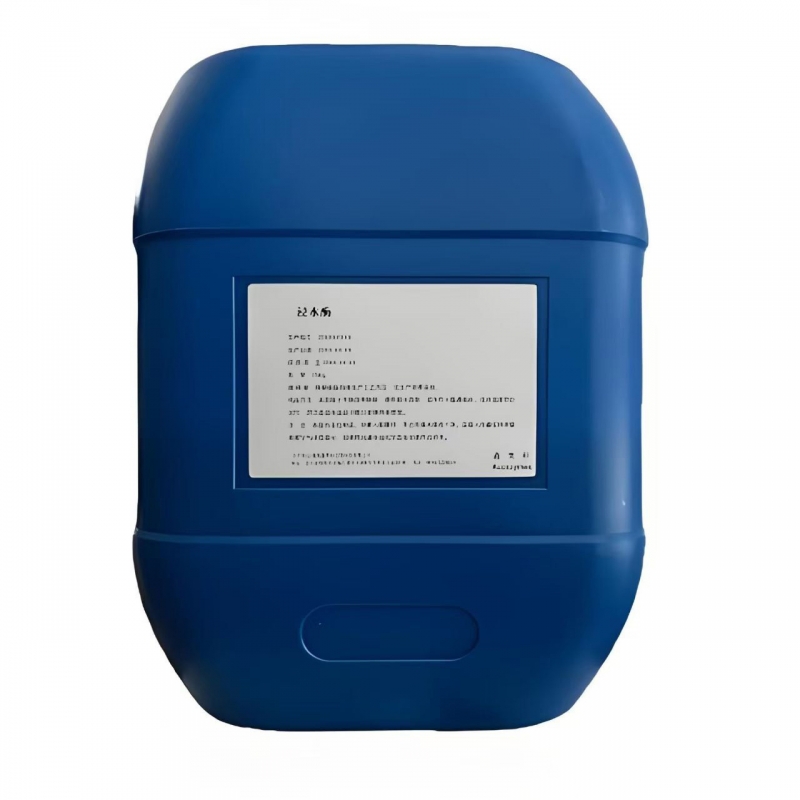
The liquid is packaged in 25kg plastic drums or 1000kg IBC tanks or customized.
As a bioactive substance, the enzyme may deactivate under high temperature, strong acids, or strong alkalis. Therefore, avoid direct sunlight during transportation and storage. And After opening, reseal tightly to prevent enzyme deactivation. Keep in a clean, cool, and dry warehouse.
Shelf Life
The standard shelf life is 12 months. The enzyme remains usable beyond this period, though an increased dosage is required.
© Copyright - | All Right Reserved. Designed By witrustbio.com

 Send Email
 Philip Wu
 Frank68001