


Origin:Bacillus licheniformis
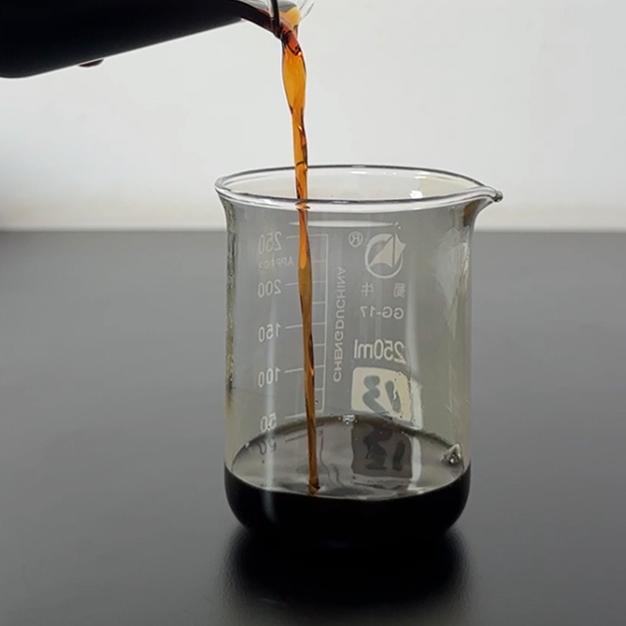
Formulation:Thermostable α-amylase
Application:brewery, starch sugar, alcohol, gourmet powder, antibiotics, etc.
Effective Temperature:55-100℃
Optimal Temperature:80-97℃
Effective PH:4.3-8.0
Optimal PH:5.2-6.0
Specification:20000 u/ml, 30000 u/ml ,40000 u/ml.
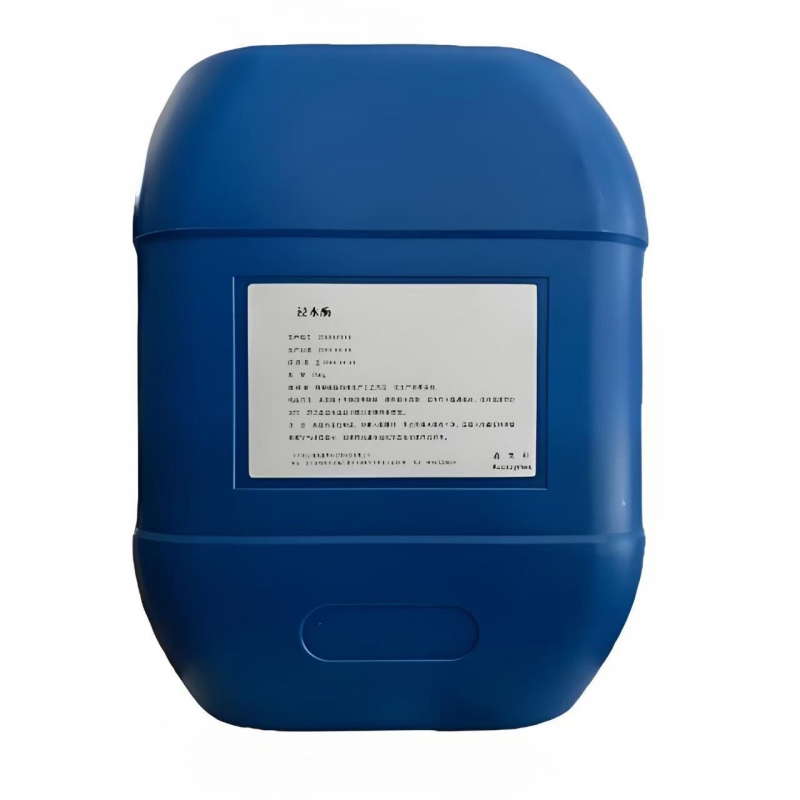
Package:25kg plastic drums or 1000kg IBC tanks or customized.
Shelf Life:12 months
Thermostable α-Amylase – Efficient Liquefaction Under High Temperature and Acidic Conditions
Product Description
Thermostable α-Amylase is a bacterial amylase preparation derived from Bacillus licheniformis extract. Thermostable α-Amylase exhibits excellent tolerance to high temperatures and acidic conditions, making it suitable for a wide range of applications, including the production of starch sugars (glucose, fructose, malt syrup, maltodextrin), gourmet powder, organic acids (citric acid, lactic acid, itaconic acid, malic acid), and gluconate.
Working Principle
Thermostable α-Amylase is an endo-acting enzyme that randomly hydrolyzes the α-1,4-glucosidic linkages of gelatinized starch and soluble dextrins, thereby reducing the high viscosity of the starch slurry and producing oligosaccharides of varying lengths along with a small amount of dextrins.
Product Characteristics
1. Effective temperature 55-100℃, optimum temperature 80-97℃. Thermostable α-Amylase remains active at 100℃ and can withstand brief temperature spikes of 105–112 ℃ during spray liquefaction.
2. Effective PH 4.3-8.0, optimum PH 5.2-6.0.
Product Specification
1. Liquid type: 20000 u/ml, 30000 u/ml ,40000 u/ml.
2. Unit definition: The amount of enzyme needed to hydrolyze 1mg of starch in one minute at PH6.0, 70℃ .
3. Standard : GB 8275-2009.
Usage Instructions
Thermostable α-amylase performs consistently under low PH conditions on different starches such as cassava, maize, wheat etc. Depending on the processing technology, this enzyme is recommended for the production of starch sugars, organic acids, gluconate, gourmet powder, etc.
1. Using starch as materials
Pulp concentration of 10-20 Bé, pH5.6-5.8, thermostable α-amylase dosage of 150-500ml / ton dry basis (40000u/ml), injection temperature at 108-110℃, laminar flow around 90mins. Make DE value to produce 5-20% liquefied solution.
2. The dry grinding of starch materials
Pulp concentration of 12-20Bé, pH5.8-6.2, thermostable α-amylase dosage of 600-900ml / t dry basis (40 000 units of enzyme), injection temperature 95-110℃, laminar flow 90mins.
3. Other industries
Thermostable α-amylase also exhibits excellent low-PH resistance in alcohol, beer, food, brewing, textiles, printing and dyeing, paper-making, and other fermentation-related fields. In particular, for the alcohol batch process, the minimum usable PH value is 4.6. Please refer to the recommended dosage of our high-temperature α-amylase.
Precautions
Enzymes are protein-based substances. For sensitive individuals, inhalation of enzyme powder or droplets may case allergic reactions. Prolonged exposure may irritate the skin, eyes and mucous membranes. It is recommended to wear a face mask during operation. If the product accidentally splashes onto the skin or eyes, rinse immediately with clean water.
Package and Storage
Package Options: 25kg plastic drums or 1000kg IBC tanks or customized.
As a bioactive substance, the enzyme may deactivate under high temperature, strong acids, or strong alkalis. Therefore, avoid direct sunlight during transportation and storage. And After opening, reseal tightly to prevent enzyme deactivation. Keep in a clean, cool, and dry warehouse.
© Copyright - | All Right Reserved. Designed By witrust.com

 Send Email
 Philip Wu
 Frank68001